

 Posted by
 Charmaine Wilkerson’s ‘Black Cake’ delves into the complexities of generational trauma, family ties, and the struggle to forge a new life. As a reader, I was drawn to the vibrant life of Eleanor/Coventina, both as an island girl and an immigrant, with all the expectations and challenges accompanying these roles. However, I also found myself deeply affected by the emotional struggles of her children, particularly Benny, whose actions and choices I found difficult to understand.
The novel starts in present-day California with two siblings coming together after the death of their mother, Eleanor Bennett. The two, older brother Byron and younger sister Benny, are estranged after several years of distance between the family. They learn from their mother’s lawyer that the family matriarch left a voice message detailing the life she hid from them. The two know both parents are initially from the Caribbean but neither of the two children have ever been to their homeland.
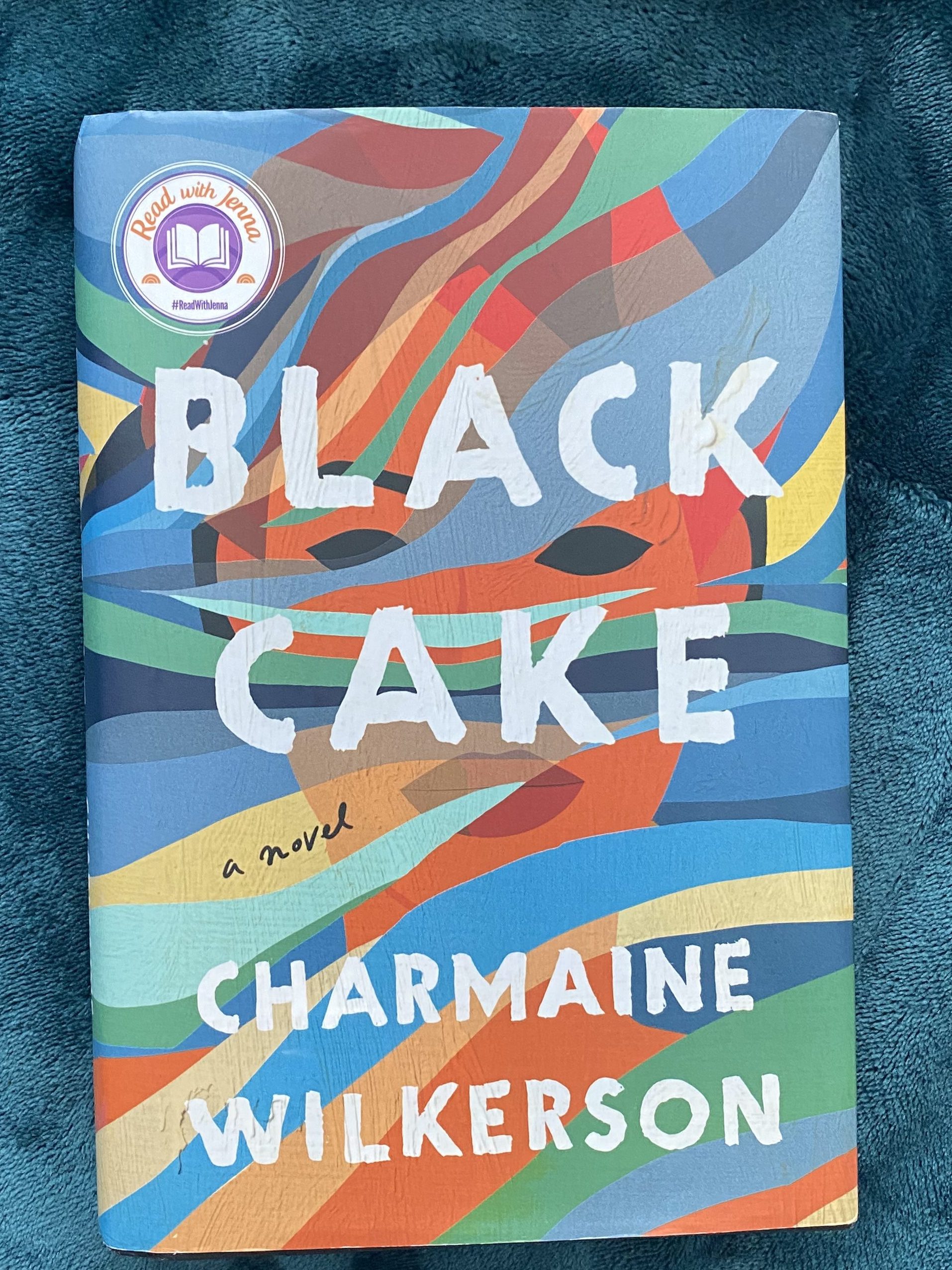
In the mysterious voice message, played in earnest by Eleanor’s personal lawyer and romantic partner, Charles Mitch, after her husband, Bert/Gibbs Grant, passes away, they learn that her name was not originally Eleanor Bennett but Coventina Lin (nicknamed Covey). They also learn that before America, their parents were in England.
I started this book with total openness and a ready-for-an-adventure momentum, but I have more questions now and want more. Aside from sharing a last name, the entire Bennett family also shares a lack of trust in each other. They do not know how to tell one another how they feel and harbor intense feelings, resentment, and pain. As a Caribbean woman, I found this to be incorrect. Caribbean people will tell you exactly how they feel about a situation (in English, Patois, Creole, you name it). It seems Wilkerson couldn’t fit that into the 378 pages or so of text.
Additionally, the novel jumps back and forth between characters, years, and places. There were moments I wanted to sink into the background stories of the older generation while they were all living on the island, but just as quickly as the excitement erupts, it fades with the present-day younger kids.
My particular issue with this read was with the character of Benny Bennett, the daughter of Eleanor and Bert Bennett. At one point, readers learn that Benny tries to tell her parents about her sexuality (she’s bi), but somehow a conversation erupts into an argument that ends with her storming out of her family home. She stops all communication with everyone.
This book is complex and layered with generational trauma and deep moments of emotional struggles. I still can’t decide if I liked it or not, so no rating.
Have you read “Black Cake”? What are your thoughts? What do you think I missed?
 marshareadsbooks.com